If you've ever felt that your legs, hips or arms don't seem to respond to weight loss in the way you would expect, you may have come across the term lipoedema.
It is a condition that is still misunderstood by many people, and for some, getting an explanation for what they've been experiencing can be a huge relief.
You may also have seen Manual Lymphatic Drainage, or MLD, mentioned alongside lipoedema.
So what exactly is lipoedema, and where might lymphatic care fit into the picture?
Let's have a look.
What is lipoedema?
Lipoedema is a long-term condition involving an abnormal distribution of fatty tissue, most commonly affecting the legs and sometimes the arms.
It is seen predominantly in women and often develops or becomes more noticeable around times of hormonal change, such as puberty, pregnancy or menopause.
One of the frustrating things about lipoedema is that it is often mistaken for simply being overweight.
But lipoedema isn't just a case of carrying a bit of extra weight.
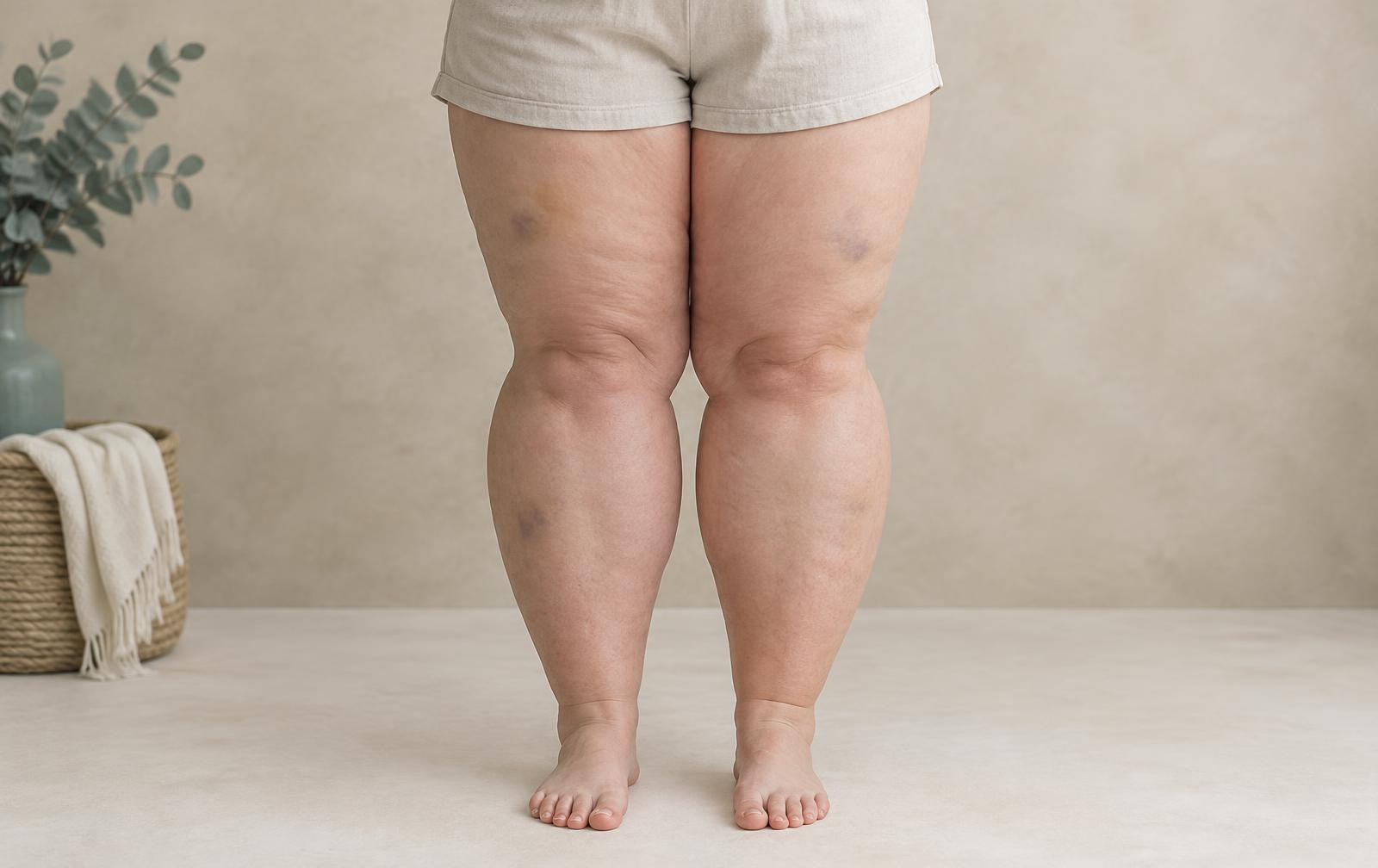
The fat distribution can be very different from the rest of the body and, for some people, the affected areas can feel painful, tender or heavy.
Bruising can also happen more easily.
And importantly, losing weight doesn't necessarily make the affected areas reduce in the same way that other areas of the body might.
What are the common signs of lipoedema?
Everyone is different, but some common features can include:
- A disproportionate amount of fatty tissue around the hips, thighs, legs or sometimes arms
- Both sides of the body being affected in a relatively symmetrical way
- Legs that may appear noticeably different from the feet
- Pain, tenderness or a feeling of heaviness
- Easy bruising
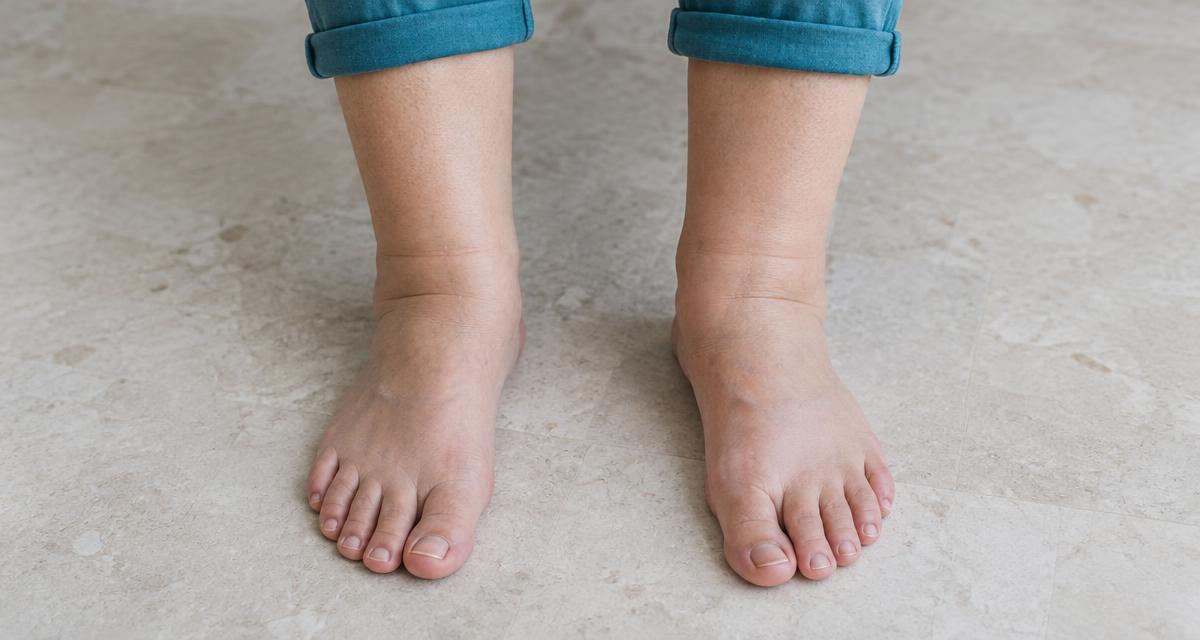
- A feeling of swelling or fullness
- Difficulty changing the size of affected areas through diet and exercise alone
These symptoms can vary considerably from person to person.
Having one or more of these symptoms doesn't automatically mean that you have lipoedema.
If you are concerned about changes in your body or persistent swelling, it's important to speak with your GP or an appropriately qualified healthcare professional for assessment.
Is lipoedema the same as lymphoedema?
No, although the two can sometimes occur together.
Lipoedema primarily involves abnormal fatty tissue, whereas lymphoedema involves an accumulation of lymph fluid within the tissues.
There can also be an overlap.
Some people with lipoedema develop lymphatic problems as the condition progresses, which is sometimes referred to as lipo-lymphoedema.
This is one reason why understanding the lymphatic system can be important when supporting someone with lipoedema.
Can Manual Lymphatic Drainage help with lipoedema?
This is probably the question you're here for.
The honest answer is that MLD doesn't cure lipoedema and it doesn't remove the underlying fatty tissue associated with the condition.
However, lymphatic care may form part of a wider supportive approach for some people with lipoedema.
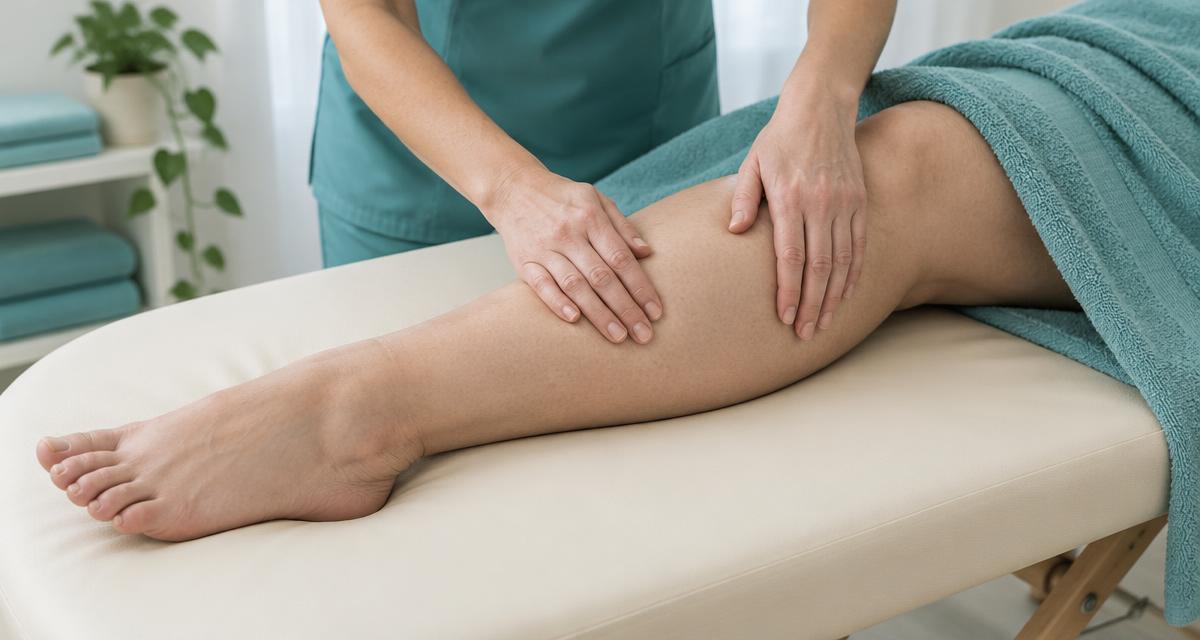
MLD is a gentle hands-on technique designed to support the movement of lymph fluid through the lymphatic system.
Where someone is experiencing swelling, fluid retention or lymphatic congestion alongside lipoedema, MLD may be used as part of their overall care.
The aim isn't to “massage away” the lipoedema.
It's about supporting the lymphatic system and, where appropriate, helping someone manage some of the symptoms associated with fluid accumulation.
What does MLD feel like?
If you've never experienced Manual Lymphatic Drainage before, you might expect something similar to a deep tissue massage.
It isn't.
MLD uses very light, rhythmic movements. There shouldn't be a need for painful pressure or deep work into the tissues.
For many people, the treatment is very relaxing.
I'll always explain what I'm doing and why, particularly if it's your first treatment, and we'll discuss your individual circumstances before deciding whether MLD is appropriate.
What else can be important when living with lipoedema?
MLD is only one potential part of a much bigger picture.
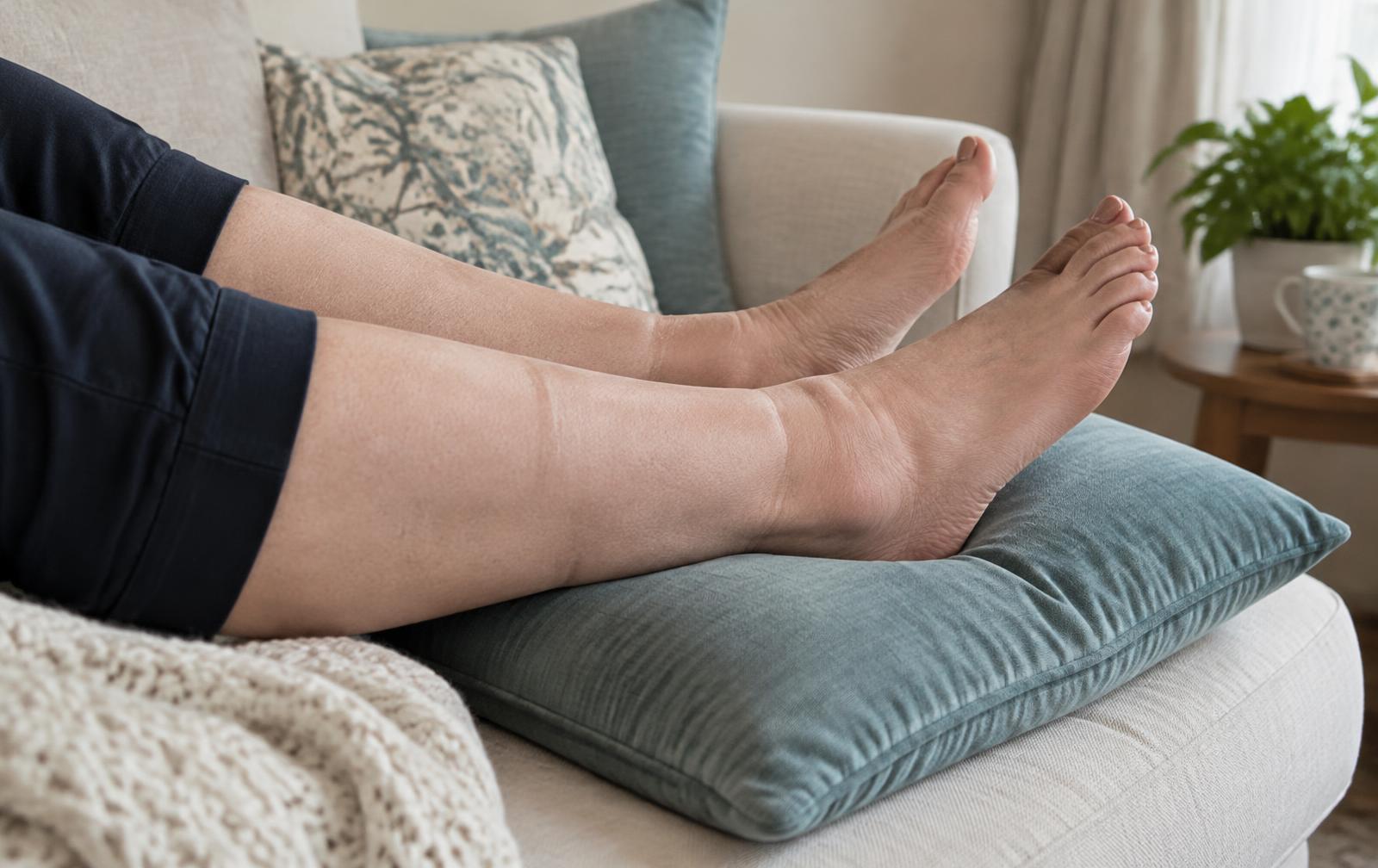
Depending on the individual, wider management may include things such as appropriate movement and exercise, compression where recommended, nutrition, weight management, psychological support and advice from healthcare professionals with experience of lipoedema.
There isn't one solution that works for everybody.
And that's important.
If you've spent years being told that you simply need to lose weight, only to find that the affected areas don't respond in the way you expect, it can be incredibly frustrating.
Getting the right information and appropriate support can make a real difference.
When should you speak to your GP?
If you're experiencing unexplained swelling, persistent pain, significant changes in your legs or arms, or you think you may have lipoedema, it's worth speaking to your GP or another suitably qualified healthcare professional.
A proper assessment is important because there are several conditions that can cause swelling or changes in the appearance of the legs.
MLD should never be used as a substitute for medical diagnosis or treatment.
At LymphKind, I'll always carry out appropriate health screening before treatment and will let you know if I think you need to seek further medical advice.
A more informed approach to lymphatic care
One of the reasons I created LymphKind was because I wanted to take a more sensible approach to lymphatic care.
There are a lot of big claims online about lymphatic drainage, particularly around detoxing, weight loss and changing the shape of the body.
Lipoedema is a good example of why those claims can be unhelpful.
There isn't a miracle massage that makes lipoedema disappear.
What there is, however, is a fascinating lymphatic system and a range of ways that people can be supported as part of a wider approach to their health and wellbeing.
That's where I believe MLD has its place.
If you're living with lipoedema and wondering whether Manual Lymphatic Drainage could be appropriate for you, I'm happy to have a conversation about your individual circumstances before you book.
You don't need to know whether MLD is right for you before getting in touch.
That's part of the conversation.
LymphKind
Manual Lymphatic Drainage and lymphatic care in Poynton, Cheshire.