Swollen ankles, heavy legs or a feeling of tightness in your skin can be uncomfortable, frustrating and sometimes worrying.
Perhaps you've noticed your socks leaving deeper marks than usual. Maybe your shoes feel tighter by the end of the day, or your legs feel heavy and uncomfortable after sitting or standing for long periods.
There are lots of reasons why this can happen, and one of the first things to understand is that swelling is a symptom, not a diagnosis.
At LymphKind, I believe that understanding what's happening in your body is an important part of finding the right support.
So, let's take a closer look at oedema, the lymphatic system and where Manual Lymphatic Drainage (MLD) may fit into your care.
What is oedema?
Oedema is the medical term for an accumulation of fluid within the body's tissues.
Our blood vessels continually deliver fluid, oxygen and nutrients to the tissues. Some of this fluid leaves the blood vessels and enters the surrounding tissues. The lymphatic system helps collect this fluid, along with proteins and other substances, and returns it to the circulation.
When this process becomes less effective, or when more fluid enters the tissues than the body can manage, swelling can develop.
Oedema can affect different parts of the body, but it is particularly common in the feet, ankles and lower legs.
You may notice:
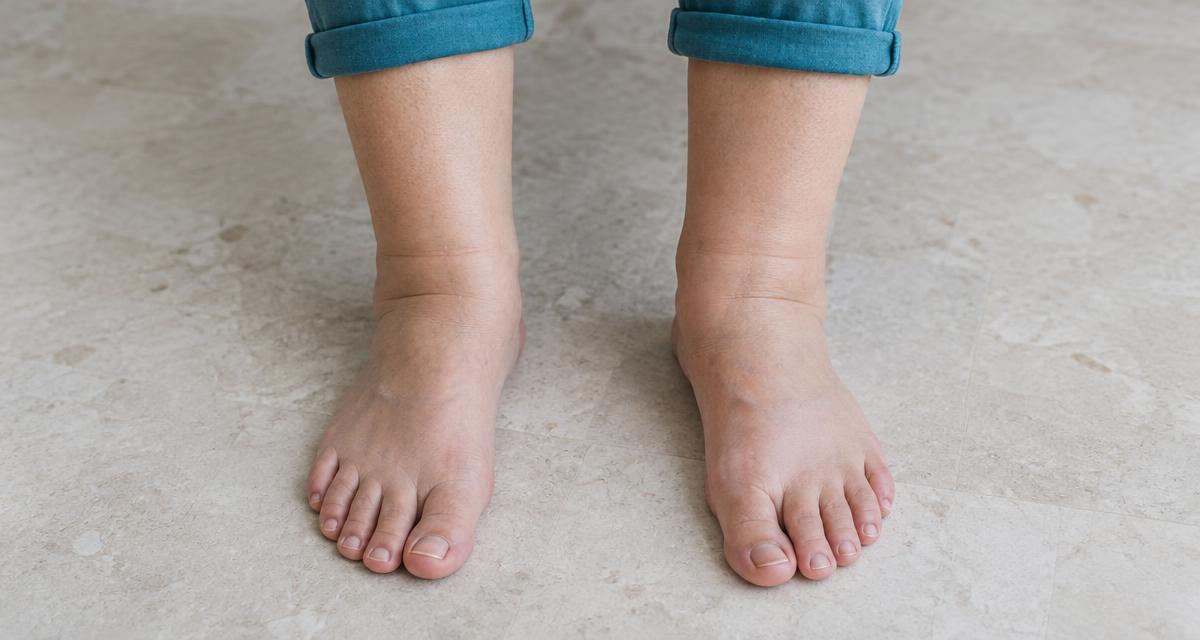
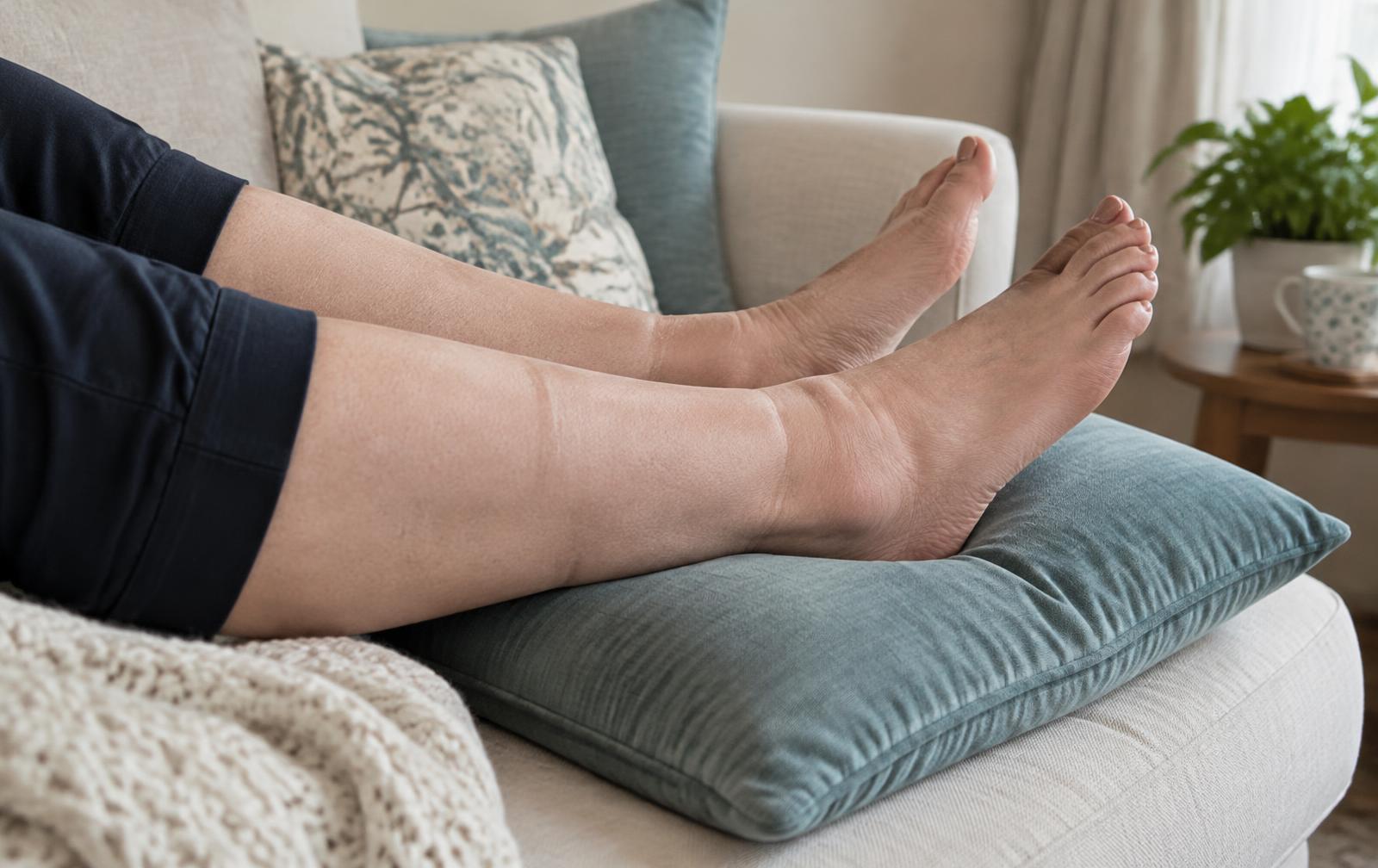
- Swelling around your ankles or feet.
- A feeling of heaviness or tightness in your legs.
- Skin that feels stretched or uncomfortable.
- Shoes or clothing becoming tighter.
- An indentation remaining in the skin after you press it gently.
That last symptom is sometimes called pitting oedema. However, not all oedema leaves an indentation, and the appearance of swelling alone cannot tell us exactly what's causing it.
Why do legs and ankles swell?
There isn't one single cause of oedema.
Understanding the reason for the swelling is important because different causes may require different approaches to treatment and management.
Some common causes include:
Prolonged sitting or standing
Spending long periods sitting or standing can contribute to fluid accumulating in the lower legs.
Movement helps support circulation, including the action of the calf muscles. When we remain still for long periods, this natural assistance is reduced.
This is one reason why some people notice their ankles becoming more swollen towards the end of the day.
Venous insufficiency
The veins in our legs help return blood towards the heart.
When the valves within these veins don't work effectively, blood can accumulate in the lower limbs. This can increase pressure within the veins and contribute to fluid moving into the surrounding tissues.
This is known as chronic venous insufficiency.
It can be associated with swelling, aching, skin changes and, in some cases, venous ulcers.
Lymphatic dysfunction
The lymphatic system plays an important role in maintaining fluid balance.
When the lymphatic system is damaged, overloaded or doesn't function as effectively as it should, fluid can accumulate in the tissues.
This may contribute to lymphoedema.
Lymphoedema can occur following surgery, lymph node removal, radiotherapy or other damage to the lymphatic system. It can also develop because of an underlying condition affecting the lymphatic vessels.
Other medical causes
Swelling can also be associated with certain medications and medical conditions, including problems affecting the heart, kidneys or liver.
This is why it is important not to assume that swollen legs are simply a lymphatic problem.
If you have persistent or unexplained swelling, a medical assessment can help identify the cause and determine the most appropriate care.
Is it oedema or lymphoedema?
These terms are sometimes used interchangeably, but they are not quite the same.
Oedema describes the accumulation of fluid in the tissues.
Lymphoedema is a condition in which the lymphatic system is unable to adequately manage the fluid and other substances within the tissues, resulting in persistent swelling.
Lymphoedema can affect one or more limbs and may develop gradually. It can also affect other areas of the body.
Not all oedema is lymphoedema, and not all swelling is caused by a problem with the lymphatic system.
In some cases, different conditions can overlap. For example, venous insufficiency can place an increased demand on the lymphatic system, and the two conditions may occur together.
Understanding these differences helps us take a more considered approach to lymphatic care.
Can Manual Lymphatic Drainage help?
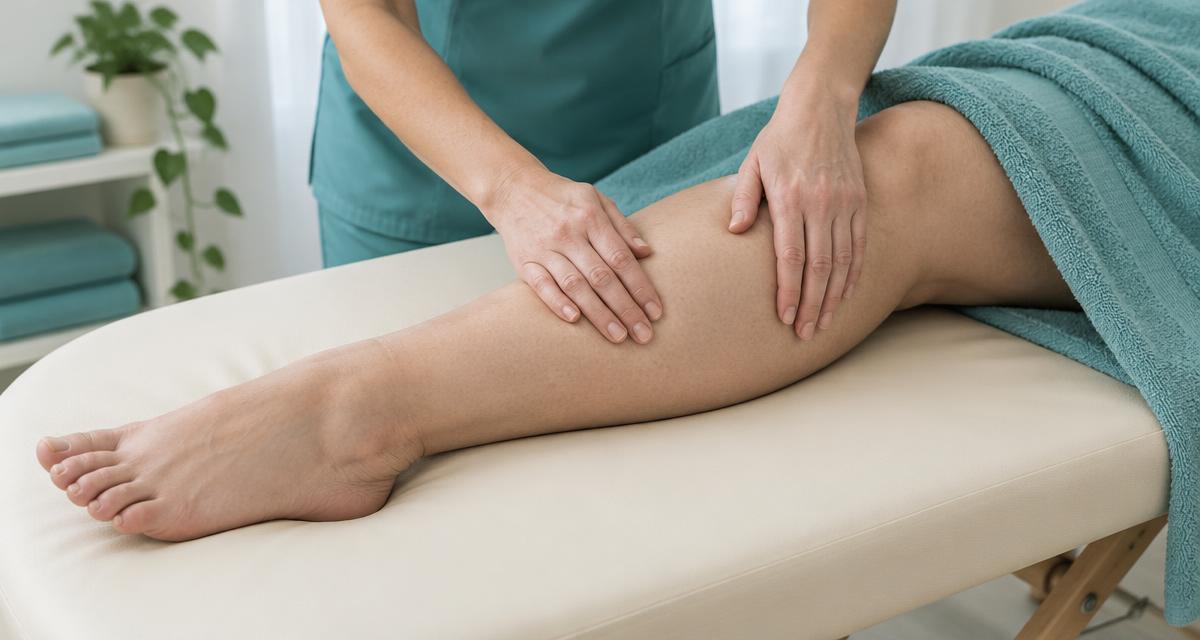
Manual Lymphatic Drainage, or MLD, is a specialised, gentle hands-on technique designed to support lymphatic fluid movement.
It uses specific, light and rhythmic movements to encourage the movement of fluid through the lymphatic pathways.
MLD may form part of an appropriate management plan for certain types of swelling, including lymphoedema.
It is important to understand that MLD is not suitable for every cause of oedema.
It does not replace medical assessment, and it is not a treatment for the underlying cause of every type of swelling.
Where appropriate, MLD may be used alongside other elements of lymphatic care, such as compression, movement, skin care and ongoing professional support.
The right approach depends on the individual, their medical history and the nature of their swelling.
When should swelling be checked?
If you have noticed swelling that is persistent, unexplained or getting worse, it is important to seek advice from your GP or another appropriate healthcare professional.
There are also situations where swelling needs more urgent attention.
Seek urgent medical assessment if:
- One leg becomes swollen without an obvious explanation.
- Swelling develops suddenly or is accompanied by significant pain.
- The affected area becomes red, hot or increasingly tender.
- You develop a fever or feel generally unwell alongside swelling.
Sudden swelling in one leg can sometimes be a sign of a blood clot.
If swelling is accompanied by chest pain or sudden breathlessness, call 999.
It is always better to have unexplained swelling assessed rather than assume it is something that can be managed with massage.
A considered approach to lymphatic care
At LymphKind, I believe that lymphatic care should begin with understanding the individual.
Swelling can have different causes, and what is appropriate for one person may not be appropriate for another.