You wake up and your legs feel fairly normal.
By lunchtime, your socks are leaving marks.
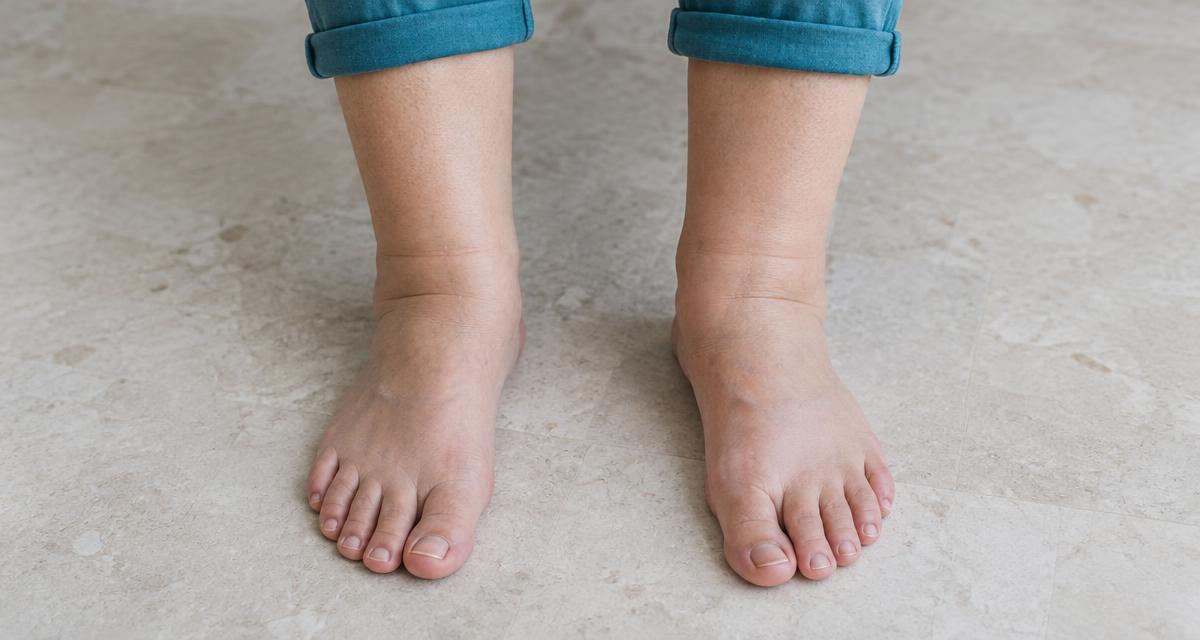
By the evening, your ankles look puffy, your shoes feel tighter and your legs may feel heavy or uncomfortable.
So why does swelling often seem to get worse as the day goes on?
For many people, there is a perfectly understandable reason. But persistent or unexplained swelling shouldn't simply be written off as something you have to live with.
Gravity has a lot to answer for
One of the simplest factors is gravity.
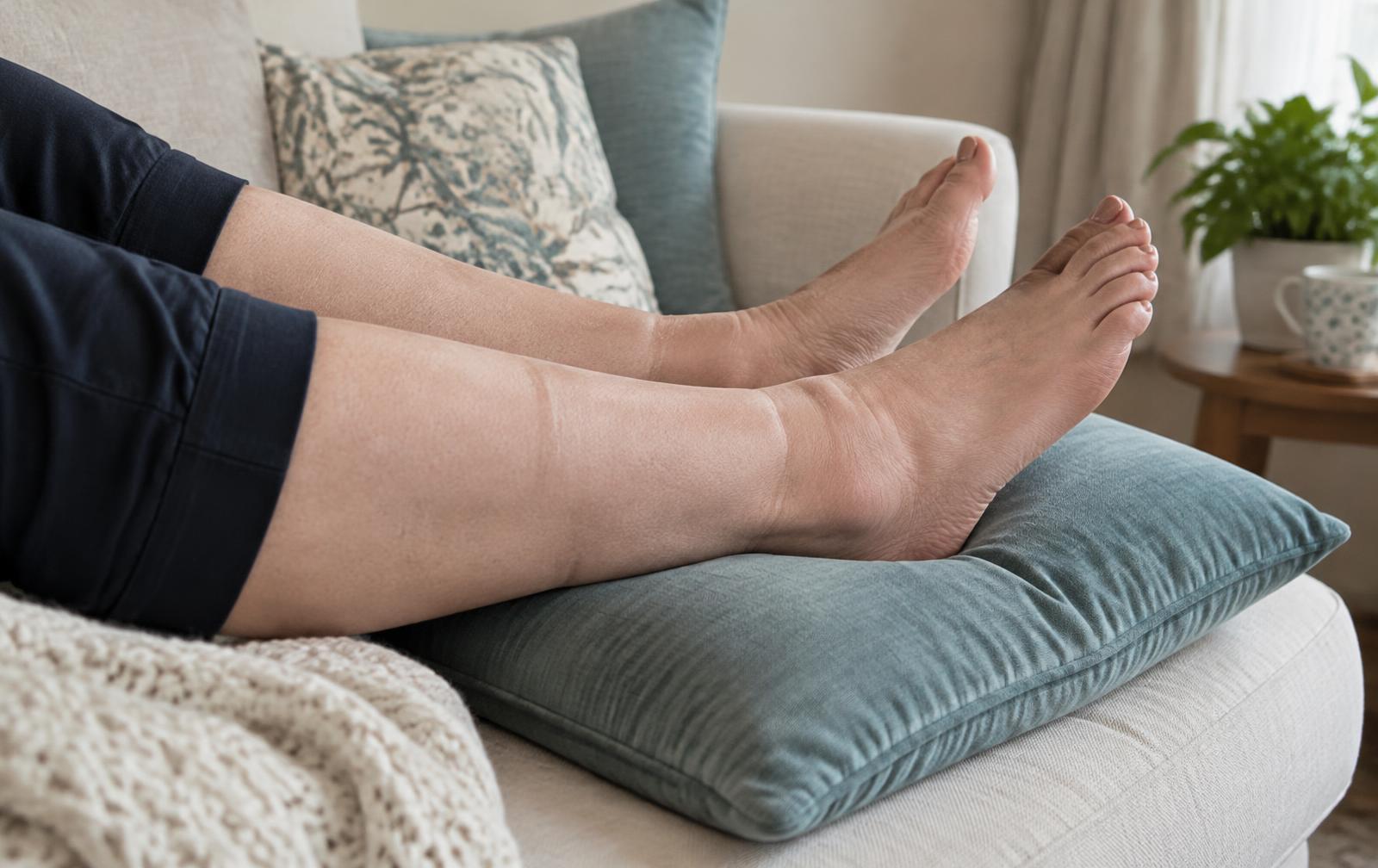
When you are upright, fluid is naturally influenced by gravity and can collect in the lower parts of the body, particularly around the feet and ankles.
This can be more noticeable if you spend long periods sitting or standing.
When you lie down overnight, your body is in a different position. Fluid that has accumulated during the day may redistribute, which is one reason swelling can appear noticeably better when you first get up in the morning.
Then the day begins, you get back on your feet and the cycle can start again.
Movement helps your lymphatic system
Your lymphatic system is part of the body's natural fluid-management system.
Unlike your heart and blood circulation, the lymphatic system doesn't have a single central pump pushing lymph around your body.
Movement is therefore important.
The muscles in your legs, particularly when you are walking, contracting and relaxing, help support the movement of fluid through the tissues and lymphatic system.
This is sometimes referred to as the muscle pump.
It doesn't mean you need to spend the day exercising. Regular gentle movement can be helpful too.
If you've been sitting for a long time, simply getting up, walking around and moving your ankles and legs can be a useful part of looking after your circulation and lymphatic health.
Why does it happen to some people more than others?
There are lots of possible reasons for swelling.
Some people experience temporary swelling after being on their feet for a long time. Others may have swelling associated with lymphoedema, lipoedema, previous surgery or lymph-node removal.
There can also be other medical causes of swelling, which is why new, persistent or unexplained swelling deserves proper assessment.
The important thing is not to assume that every swollen ankle or leg is a lymphatic problem.
Sometimes the best first step is speaking with your GP or another appropriate healthcare professional to understand what is causing it.
What about compression?
Compression can be an important part of managing some types of swelling and lymphoedema.
Compression garments can help support the tissues and reduce the tendency for fluid to accumulate.
However, compression isn't something that should simply be prescribed based on the fact that your legs look swollen.
The right garment, level of compression and way of using it depends on the individual and the underlying condition.
If you have been prescribed compression, wearing it as advised can form an important part of your overall management.
Can Manual Lymphatic Drainage help?
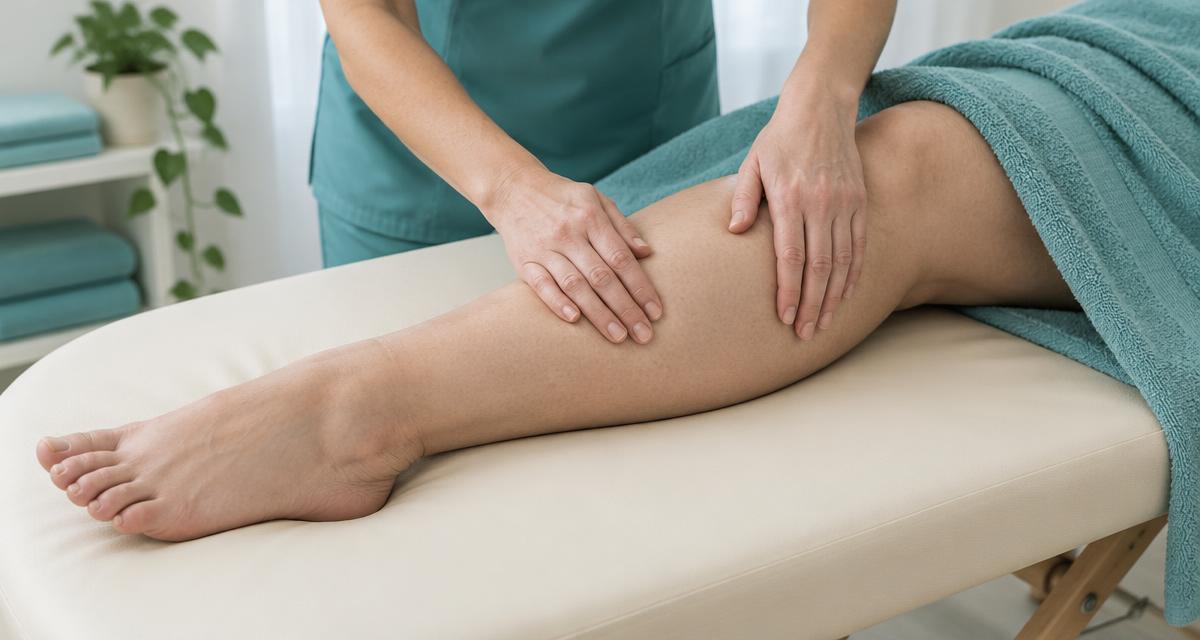
Manual Lymphatic Drainage, or MLD, is a gentle hands-on technique designed to support lymphatic flow.
It is very different from a deep tissue or sports massage.
An MLD treatment uses light, rhythmic movements and follows specific pathways across the body. Depending on the reason for treatment, the approach may involve working away from an area of swelling before gradually addressing the affected region.
The aim isn't to force fluid out of the body.
Instead, MLD can be used as part of a wider approach to lymphatic care, alongside things such as movement, compression and appropriate self-management.
For people with lymphatic conditions, the most appropriate treatment approach will depend on their individual circumstances.
When should you get swelling checked?
It's worth seeking medical advice if you have swelling that is:
- new or unexplained
- persistent or getting progressively worse
- affecting one leg significantly more than the other
- painful, hot or red
- associated with other symptoms that concern you
Sudden swelling, particularly when it affects one leg and is accompanied by pain, warmth or redness, needs prompt medical assessment.
Don't assume that swelling is simply a lymphatic issue.
A little swelling doesn't always mean something is wrong
Bodies aren't static.
Our fluid levels change. Our activity changes. The amount of time we spend sitting or standing changes. Heat, travel and other everyday factors can also influence how our legs feel.
But if you repeatedly notice that your ankles or legs become increasingly swollen as the day progresses, it is worth paying attention to the pattern.
Notice when it happens.
Notice whether movement changes it.
Notice whether it improves overnight.
And, importantly, get it checked if you are concerned about it.
Understanding why your swelling happens is the first step towards knowing what, if anything, you can do about it.
Lymphatic care in Poynton
At LymphKind, Gareth Amos provides gentle Manual Lymphatic Drainage from a private treatment space in Poynton, Cheshire.
Gareth is an MLD UK-registered therapist with LTA Fill & Flush training and provides individualised lymphatic care for clients from Poynton, Stockport, East Cheshire and surrounding areas.
If you'd like to understand whether MLD may be appropriate for you, you can arrange an initial consultation and treatment.
LymphKind
Specialist Manual Lymphatic Drainage in Poynton, Cheshire
Wondering whether Manual Lymphatic Drainage may be appropriate for you?
Book MLD