Swelling after surgery is common. But could Manual Lymphatic Drainage help?
Surgery is a significant event for the body. Even when everything has gone exactly as planned, it can leave you with swelling, tightness, bruising and a feeling that your body simply isn't quite behaving as it normally does.
If you've started looking into ways of supporting yourself after surgery, you may have come across Manual Lymphatic Drainage (MLD).
So, what is it actually for, and could it have a place in your post-operative recovery?
Why does swelling happen after surgery?
Some swelling after surgery is a normal part of the healing process.
When the body has been operated on, tissues have been disturbed and the area can become inflamed. Fluid can move into the surrounding tissues, while the normal movement of lymphatic fluid may also be temporarily affected.
Your lymphatic system helps manage fluid within the tissues and returns it to the circulation.
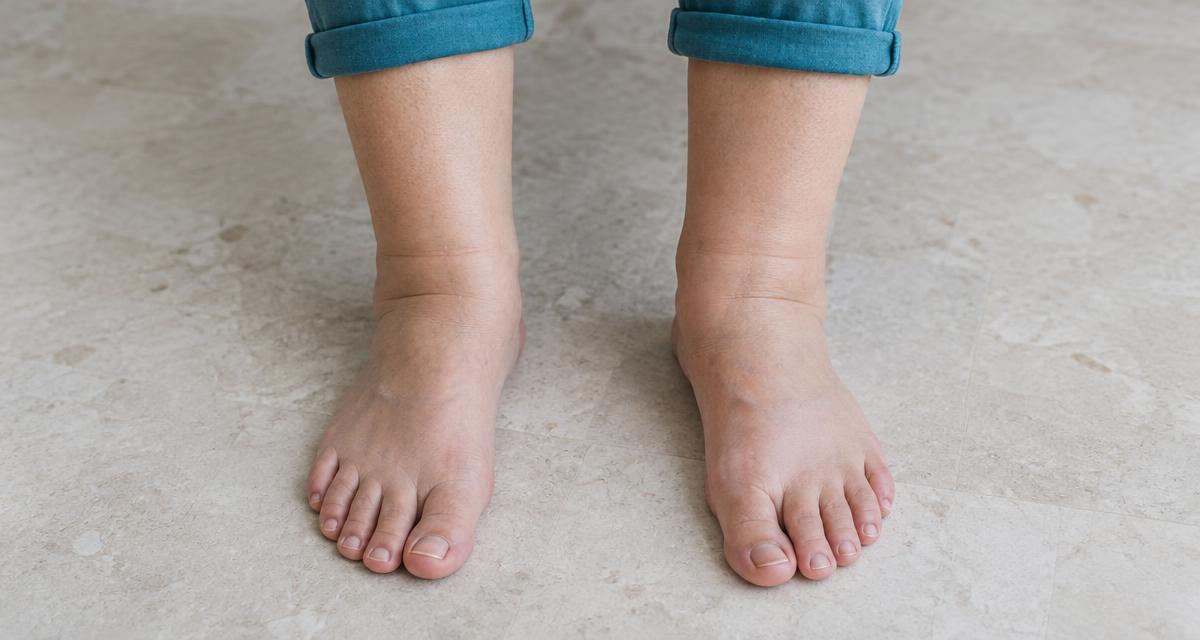
When that system is working under extra pressure, fluid can accumulate and you may notice swelling, heaviness, tightness or changes in the way an area feels.
Post-operative swelling can sometimes last considerably longer than people expect. Depending on the type of surgery, swelling may continue for weeks or even months as the body gradually settles.
So where does Manual Lymphatic Drainage fit in?
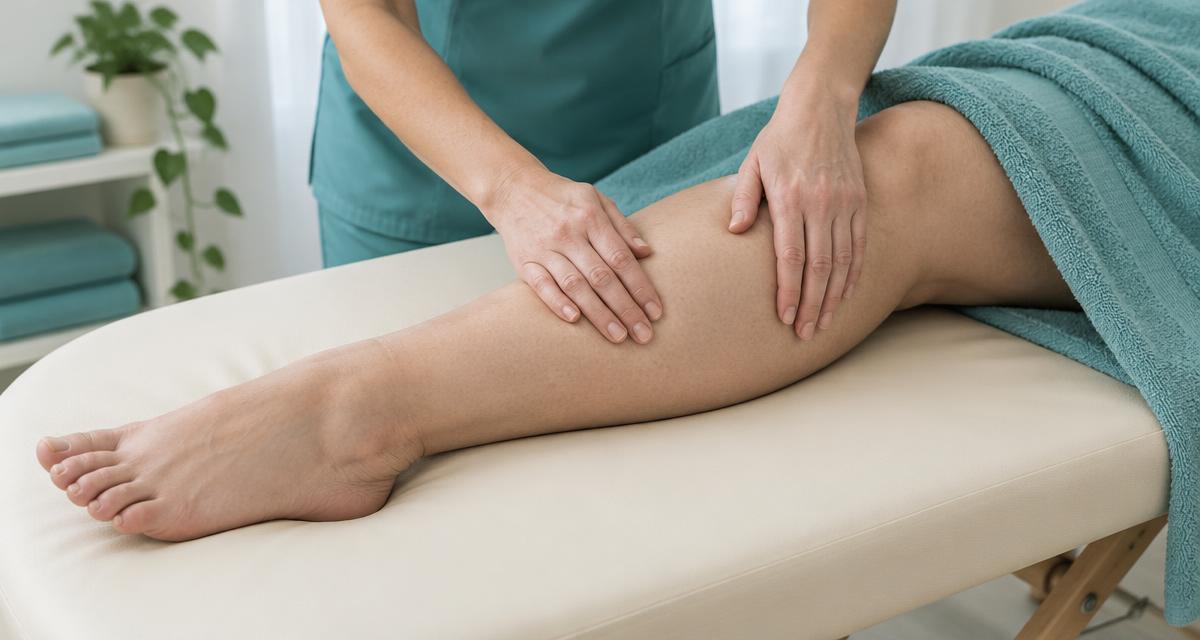
Manual Lymphatic Drainage is a very gentle, specialised form of massage designed to encourage the movement of lymph fluid.
Unlike a traditional deep tissue or sports massage, MLD uses light, rhythmic movements on the skin.
The aim isn't to force fluid through the body.
Instead, the treatment works with the lymphatic system to encourage fluid movement away from areas where it has accumulated and towards lymphatic pathways that can drain it.
MLD is used as part of lymphoedema care and may help reduce swelling and discomfort in appropriate circumstances.
That doesn't mean that every person who has had surgery needs MLD.
And this is where post-operative lymphatic care needs a little bit of caution.
When can you have MLD after surgery?
There isn't one universal answer.
The appropriate timing depends on what surgery you've had, where you've had it, how you're healing and what your surgical team recommends.
For some procedures, MLD may be appropriate relatively early in recovery. For others, it may need to wait until wounds have healed or your surgeon has given you specific permission.
This is particularly important if you've had lymphatic surgery itself. Some procedures have very specific post-operative instructions about when MLD can begin and where treatment can safely be performed.
So if you're considering MLD after surgery, your surgeon or medical team comes first.
A good lymphatic therapist should be comfortable with that.
What might post-operative MLD feel like?
Probably much gentler than you expect.
MLD isn't a deep massage where someone is digging into tight muscles.
The movements are slow, light and rhythmic, working with the superficial tissues and lymphatic pathways.
For someone who is already feeling tender after surgery, this gentler approach can make the treatment considerably more comfortable than a conventional massage.
You don't need to feel like you've been beaten up by your massage therapist afterwards.
In fact, you shouldn't.
What can MLD help with?
For the right person, MLD may be used to support the management of:
- Post-operative swelling
- Fluid accumulation in the tissues
- Feelings of heaviness or tightness
- Some forms of lymphatic congestion
- Lymphoedema following surgery or lymph node treatment
MLD is also sometimes incorporated into wider lymphoedema management alongside other approaches such as exercise, compression, skin care and self-management techniques.
It's important, however, not to think of MLD as a magic treatment that makes every type of post-operative swelling disappear.
The reason for the swelling matters.
MLD isn't a replacement for medical care
This is one of the most important things to understand.
If you've recently had surgery and something doesn't feel right, don't book a massage and hope it sorts itself out.
New, rapidly increasing or unexplained swelling should be assessed medically.
The same applies if you develop symptoms such as significant redness, heat, increasing pain, fever or other signs that could indicate infection or another complication.
There are also circumstances where MLD isn't appropriate, including certain infections, blood clots and some heart or circulatory conditions. Your medical history should always be considered before treatment.
MLD should complement appropriate medical care, not replace it.
How do you know if a therapist is suitable?
This is worth thinking about before booking.
"Lymphatic massage", "detox massage" and "lymphatic drainage" are phrases you will see used by a wide range of therapists, but they don't necessarily mean the same thing.
If you're looking for MLD following surgery, particularly more complex surgery, ask about the practitioner's specific lymphatic training and experience.
You should also be able to tell them what procedure you've had, when it took place and what your surgical team has advised.
A suitably trained practitioner should be happy to work within those boundaries rather than promising a one-size-fits-all treatment.
What about cosmetic surgery?
Post-operative lymphatic drainage is often discussed in relation to cosmetic procedures such as liposuction, tummy tuck, breast surgery and other body-contouring procedures.
There can be a genuine role for lymphatic care in appropriate cases, but the same principle applies:
the surgery comes first, the treatment comes second.
The type of operation, surgical technique, healing progress and surgeon's instructions all matter.
If you're considering MLD after cosmetic surgery, I'd always recommend checking with your surgeon or surgical team before arranging treatment.
A gentler approach to post-operative care
At LymphKind, my approach to Manual Lymphatic Drainage is deliberately gentle.
I don't believe lymphatic treatment needs to involve heavy pressure or aggressive massage.
If you're considering MLD after surgery, the first step is simply to understand what you've had done, how you're recovering and whether MLD is appropriate for you.
Sometimes the answer will be yes.
Sometimes the right answer will be not yet.
And occasionally, the best advice will be to speak to your medical team before doing anything at all.
That's part of responsible lymphatic care.
Thinking about MLD after surgery?
If you've been advised that Manual Lymphatic Drainage may be appropriate following your surgery, you can get in touch with LymphKind to discuss your circumstances before booking.
LymphKind provides specialist Manual Lymphatic Drainage in Poynton, serving Stockport, Cheshire East and surrounding areas.
You can book an appointment online, or get in touch first if you're unsure whether MLD is suitable for you.
LymphKind — Manual Lymphatic Drainage, with a gentler approach.
This article provides general information and isn't a substitute for advice from your surgeon, GP or other healthcare professional. If you have new, unexplained or rapidly worsening swelling, please seek medical advice.