Breast Cancer, Lymphatic Health and Lymphoedema: What Everyone Should Know
9 October 2026 · Gareth Amos
Breast cancer awareness often focuses on early detection, screening and treatment. These are all incredibly important, but there is another part of the conversation worth having: the lymphatic system and the role it can play in a person's experience during and after cancer treatment.
It's also important to remember that breast cancer doesn't only affect women. Men can develop breast cancer too, and knowing what to look out for matters regardless of gender.
At LymphKind, my focus is on lymphatic care and helping people understand more about this often-overlooked part of the body. This Breast Cancer Awareness Month, I wanted to explore the connection between breast cancer, the lymphatic system and lymphoedema, and explain where Manual Lymphatic Drainage (MLD) may fit into supportive care.
Breast cancer can affect men as well as women
Breast cancer is much more common in women, but men have breast tissue too and can develop the condition.
Cancer Research UK reports that around 420 men are diagnosed with breast cancer in the UK each year. That's a reminder that breast cancer awareness needs to include everyone.
In men, symptoms can include:
- A lump or swelling in the chest, often near the nipple.
- A change in the appearance of the nipple, including it turning inwards.
- Discharge from the nipple, which may contain blood.
- Changes to the skin around the nipple or chest.
- A lump or swelling in the armpit.
These symptoms do not automatically mean cancer, but they should never be ignored. If you notice a new lump or any unusual changes to your chest or nipples, contact your GP promptly.
It's easy to assume that breast cancer is something that only happens to women. Raising awareness helps challenge that assumption and encourages men to seek advice when something doesn't feel right.
What does the lymphatic system have to do with breast cancer?
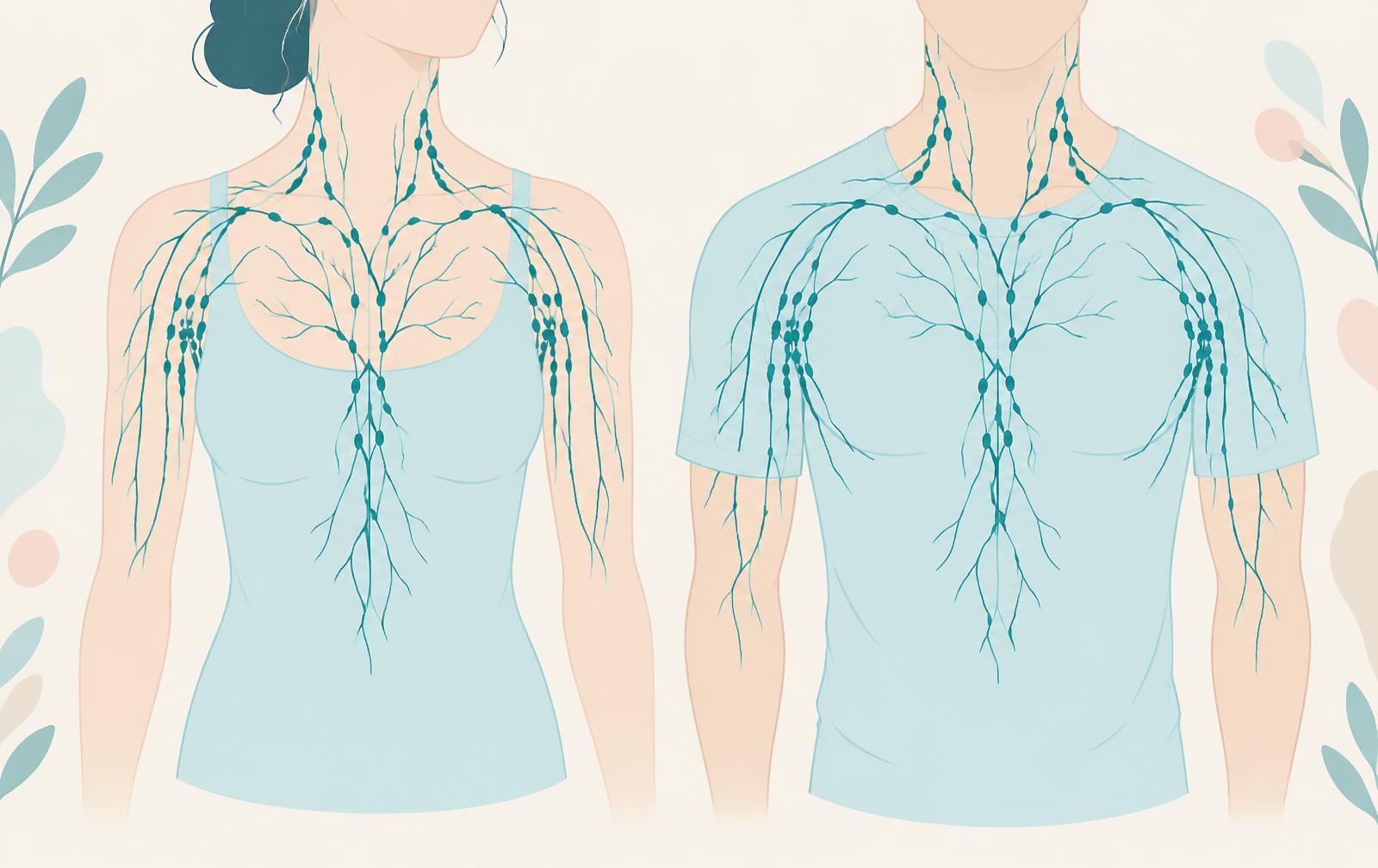
The lymphatic system is a network of vessels, lymph nodes and other tissues that helps maintain fluid balance and supports the body's immune defences.
Lymph nodes are small structures that filter lymph fluid and contain immune cells. They are found throughout the body, including around the neck, chest and armpits.
The lymph nodes under the arm, known as the axillary lymph nodes, are particularly relevant in breast cancer because they may be examined during diagnosis and treatment.
Depending on the individual circumstances, breast cancer treatment may involve surgery to remove some lymph nodes or radiotherapy that affects the surrounding tissues. These treatments can sometimes disrupt the normal movement of lymph fluid.
When lymph fluid cannot drain effectively, it may accumulate in the tissues and cause persistent swelling. This is one way lymphoedema can develop.
Not everyone who has breast cancer treatment will develop lymphoedema, but understanding the possibility can help people recognise symptoms and seek appropriate support.
What is lymphoedema?
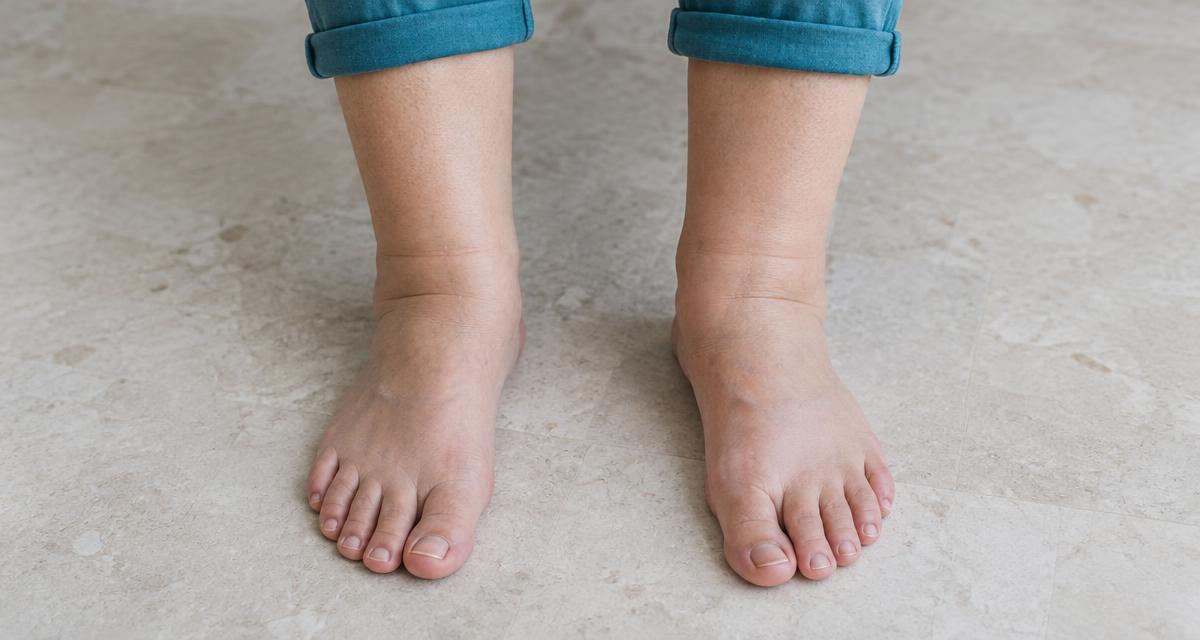
Lymphoedema is a long-term condition involving swelling caused by a problem with the lymphatic system's ability to drain fluid effectively.
Following breast cancer treatment, swelling may affect the arm, hand, chest or breast area on the treated side. Symptoms can vary from person to person and may develop some time after treatment has finished.
Possible signs include:
- Swelling in the arm, hand, chest or breast area.
- A feeling of heaviness, tightness or fullness.
- Skin that feels tighter than usual.
- Changes in how clothing, jewellery or a watch fits.
- Reduced comfort or movement in the affected area.
These symptoms can have other causes, so they should be assessed by an appropriate healthcare professional rather than self-diagnosed.
If you have already been treated for breast cancer and notice new or increasing swelling, contact your cancer care team or GP for advice. Sudden swelling, redness, warmth, pain or fever needs prompt medical assessment, as infection and other complications may need urgent treatment.
Early assessment can help people access the right advice and management.
Can Manual Lymphatic Drainage help?
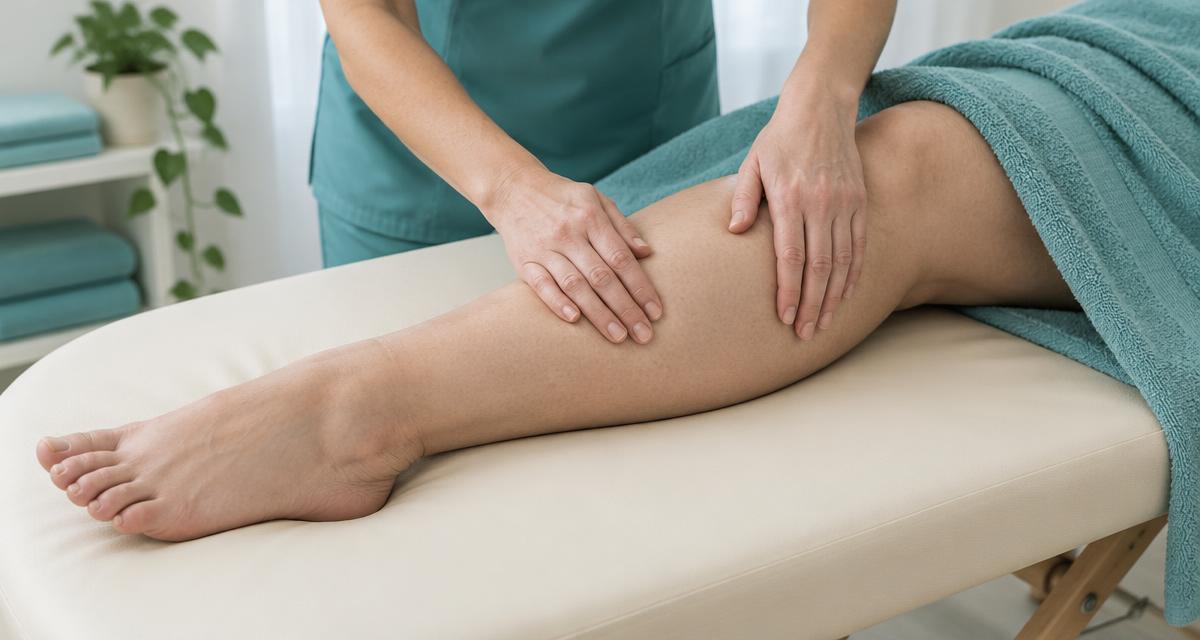
Manual Lymphatic Drainage, commonly known as MLD, is a gentle, specialised hands-on technique intended to encourage the movement of lymph fluid through the lymphatic system.
Unlike traditional sports massage or deep tissue massage, MLD uses light, controlled and rhythmic movements. It is not designed to work deeply into the muscles.
MLD may form part of a wider management plan for some people with lymphoedema. However, it is important to understand that it is not a stand-alone cure.
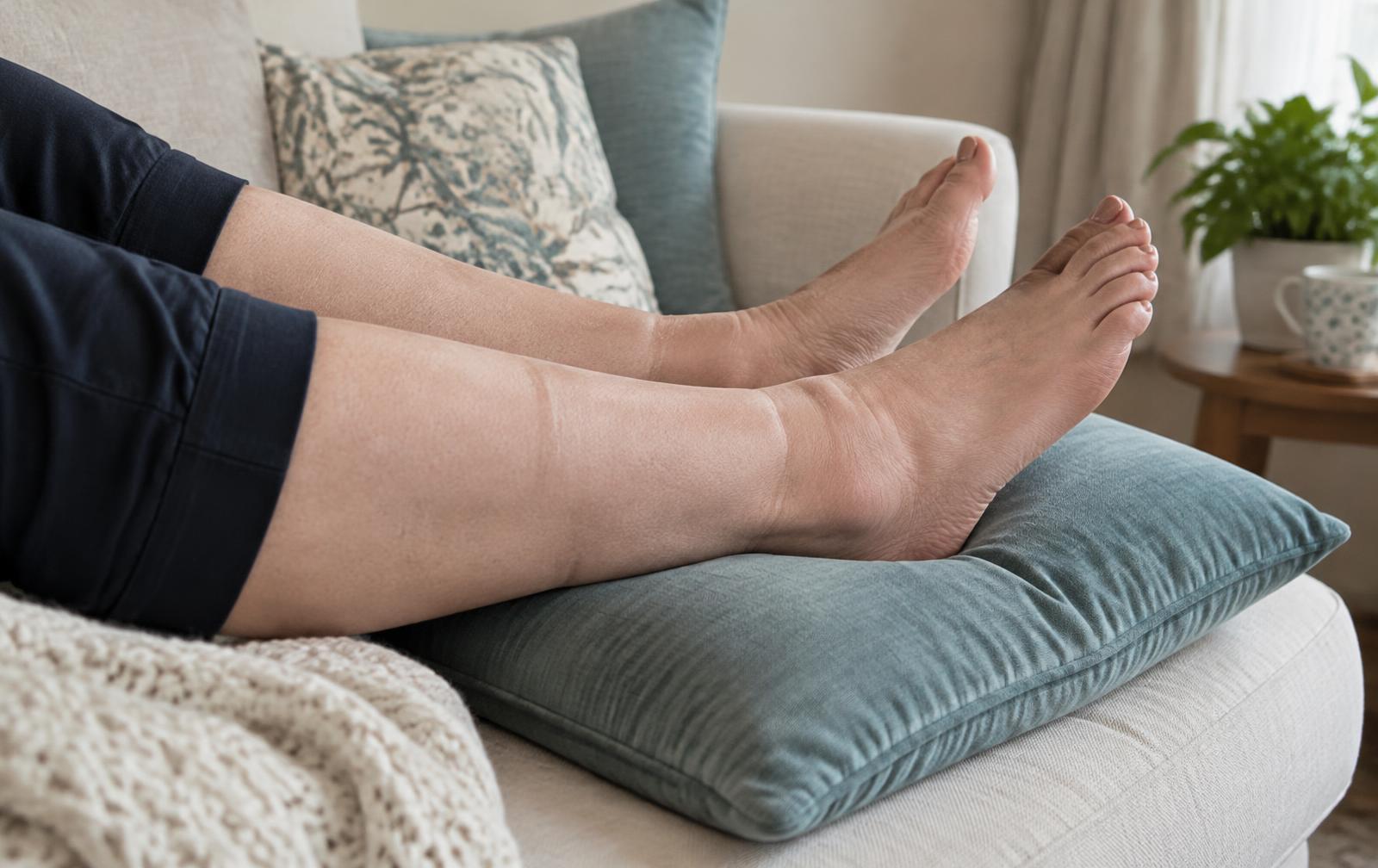
Lymphoedema management may include several approaches, such as compression garments or bandaging, appropriate movement and exercise, skin care, and specialised lymphatic techniques. The right combination depends on the person's circumstances and clinical assessment.
For people experiencing lymphoedema following breast cancer treatment, care should be guided by a suitably qualified lymphoedema professional or the person's cancer care team.
MLD should never be used to delay medical assessment of unexplained swelling or other new symptoms.
Is MLD suitable for everyone after breast cancer?
No. The fact that MLD is gentle does not automatically mean it is suitable for every person or at every stage of their treatment.
Someone who has recently had surgery, is receiving cancer treatment, has a suspected infection or has developed new swelling may need specific medical advice before considering hands-on treatment.
If you have a history of breast cancer, or are currently receiving treatment, it is important to discuss your circumstances with your clinical team before arranging MLD. They can advise whether it is appropriate and whether referral to a specialist lymphoedema service would be more suitable.
A responsible therapist should ask about your health history, current treatment and symptoms before deciding whether a session is appropriate.
At LymphKind, I believe good lymphatic care starts with understanding the individual, recognising the limits of a treatment and knowing when someone needs support from another healthcare professional.
Looking after yourself during and after treatment
Living with or recovering from breast cancer can involve much more than the immediate medical treatment. People may be adjusting to physical changes, tiredness, altered sensation, emotional challenges or concerns about their future health.
There is no single approach that suits everyone, but a few practical steps can help:
- Attend recommended follow-up appointments and raise concerns with your healthcare team.
- Learn what is normal for your body so that new changes are easier to recognise.
- Follow the advice you have been given about movement, exercise, skin care and any prescribed compression.
- Seek advice if you notice persistent or increasing swelling.
- Give yourself permission to ask questions and seek support when you need it.
You do not have to manage every aspect of recovery alone. Your cancer care team, GP and relevant specialist services can help you understand the options available to you.
A conversation that includes everyone
Breast cancer awareness is about more than a month of campaigns. It is about helping people recognise symptoms, seek medical advice and understand the support that may be available during and after treatment.
For men, that includes knowing that breast cancer is possible and that changes to the chest or nipples deserve attention.
For people affected by breast cancer treatment, it also means understanding that the lymphatic system can sometimes be affected and that persistent swelling should be assessed.
Manual Lymphatic Drainage may have a role in appropriate lymphoedema care, but it is one part of a much wider picture. The priority is always safe, individualised care, guided by the person's needs and the right clinical advice.
At LymphKind, my aim is to help make lymphatic health easier to understand and to encourage informed conversations about the care available. If you would like to find out more about lymphatic care at LymphKind, you are welcome to get in touch.
If you have concerns about a new lump, unusual chest changes or unexplained swelling, please contact your GP or healthcare team rather than seeking massage as a first step.
Further information and support
For reliable information about breast cancer and lymphoedema, visit:
- NHS: Breast cancer in men
- Cancer Research UK: Breast cancer in men
- NHS: Lymphoedema and its treatment
This article is for general information and education. It is not a substitute for medical advice, diagnosis or treatment.