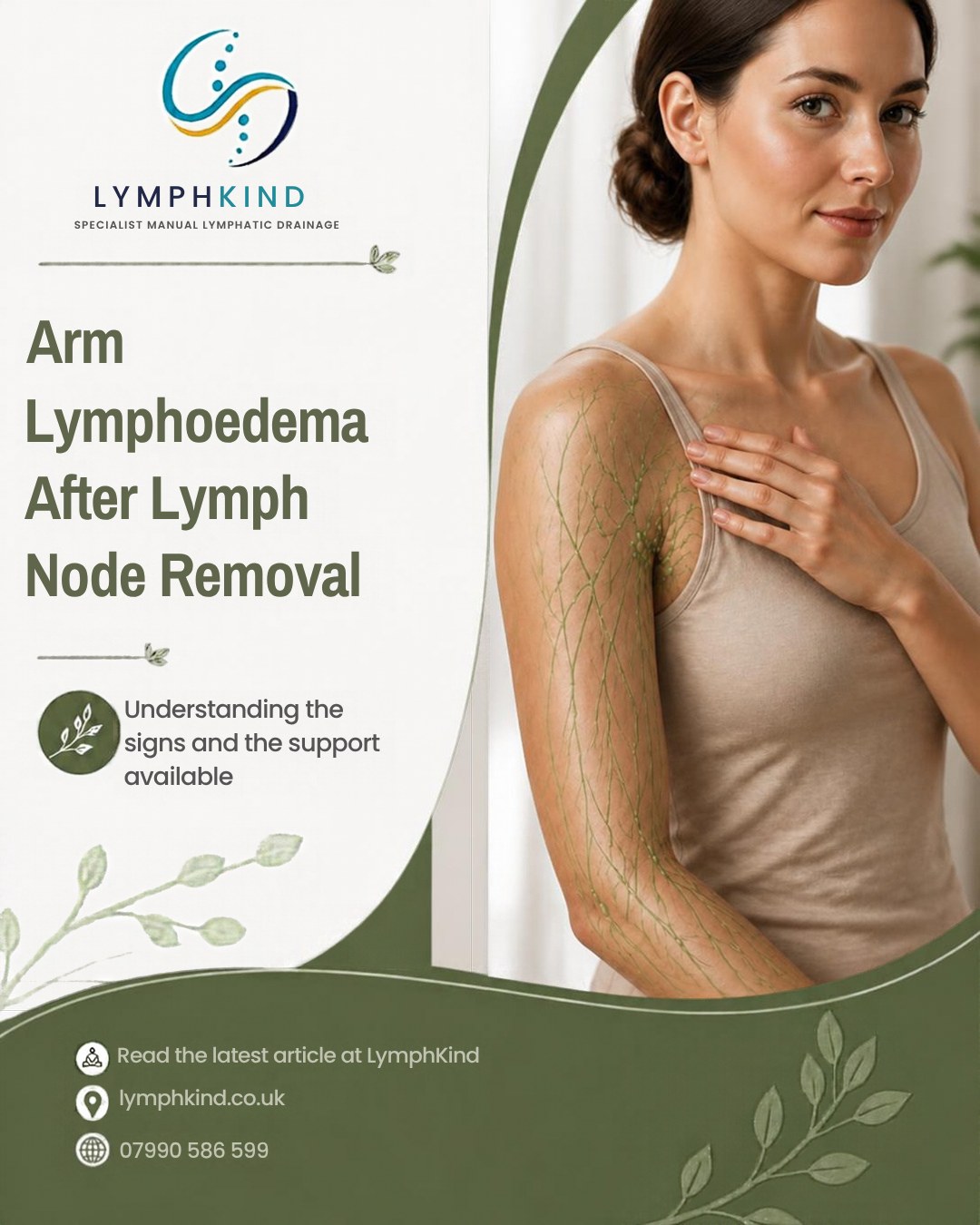
Understanding why swelling can happen after breast cancer surgery, recognising the signs and exploring the support available.
For some people, recovering from breast cancer surgery involves more than healing from the operation itself. If lymph nodes have been removed from the armpit, or treated with radiotherapy, changes to the lymphatic system can sometimes lead to swelling in the arm, hand or surrounding tissues.
This swelling is known as lymphoedema. It can develop weeks, months or even years after treatment, which means it is important to recognise the possible signs and know where to seek support.
In this article, we'll explore why arm lymphoedema can happen, what to look out for and how Manual Lymphatic Drainage (MLD) may form part of a wider approach to lymphatic care.
What is the lymphatic system?
The lymphatic system is an important part of the body's circulation and immune system. It consists of a network of vessels, lymph nodes and other tissues that help transport lymph fluid around the body.
Lymph fluid contains water, proteins, immune cells and other substances collected from the tissues. The lymphatic system helps return this fluid to the bloodstream and plays an important role in immune defence.
Lymph nodes act as filters along this network. In the armpit, known as the axilla, lymph nodes help drain lymph from areas including the arm, breast and chest wall.
When the lymphatic system is working effectively, fluid is continually transported away from the tissues. However, when lymph nodes or lymphatic vessels are removed, damaged or affected by radiotherapy, this drainage can become less efficient.
Fluid may then accumulate in the surrounding tissues, causing swelling.
Why can lymphoedema develop after lymph node removal?
During breast cancer treatment, surgeons may remove one or more lymph nodes from the armpit to help assess or treat the disease. Some people also receive radiotherapy to the lymph node regions.
These treatments can affect the lymphatic pathways responsible for draining fluid from the arm and nearby areas.
The lymphatic system can adapt to some changes, and not everyone who has lymph nodes removed will develop lymphoedema. The risk varies according to the type and extent of surgery, radiotherapy and other individual factors.
There are two procedures you may hear about:
- Sentinel lymph node biopsy: one or a few lymph nodes are removed to check whether cancer has spread. The risk of lymphoedema is generally lower than after more extensive lymph node removal.
- Axillary lymph node dissection: a larger number of lymph nodes are removed from the armpit, which can carry a greater risk of lymphoedema.
Although breast cancer surgery is a common reason for arm lymphoedema, lymphoedema can also develop following treatment for other cancers or procedures that affect lymphatic drainage.
Importantly, swelling does not always mean lymphoedema. Other conditions can cause similar symptoms, so new or unexplained swelling should always be assessed by an appropriate healthcare professional.
What are the signs of arm lymphoedema?
Lymphoedema does not always begin with obvious swelling. Some people notice subtle changes before the difference in arm size becomes apparent.
Possible signs include:
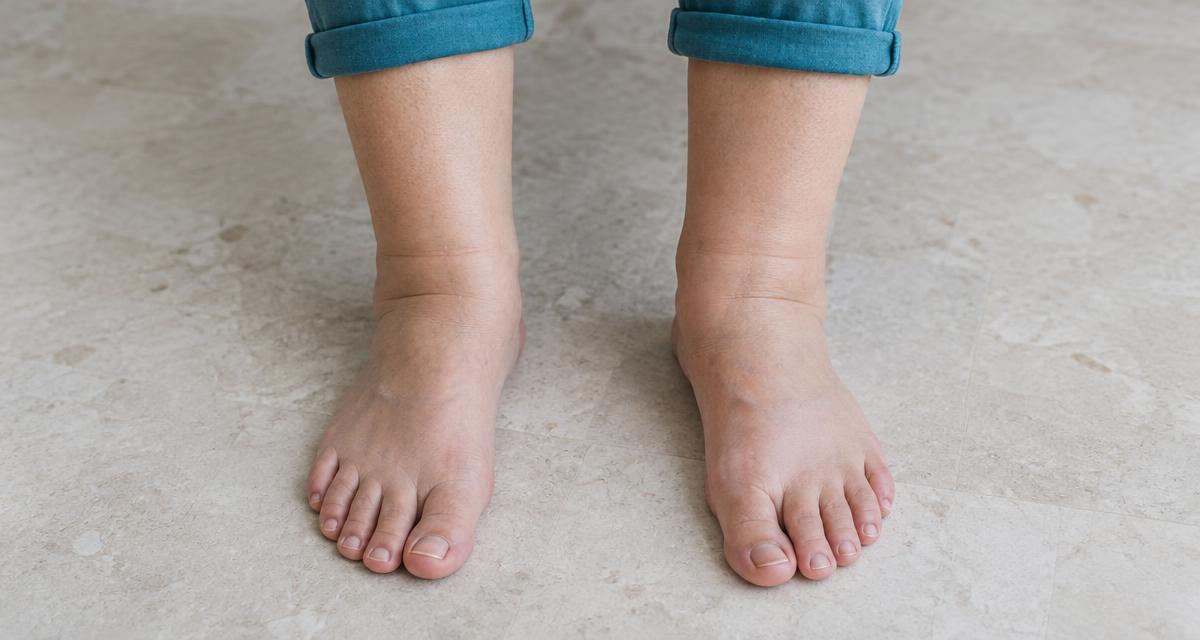
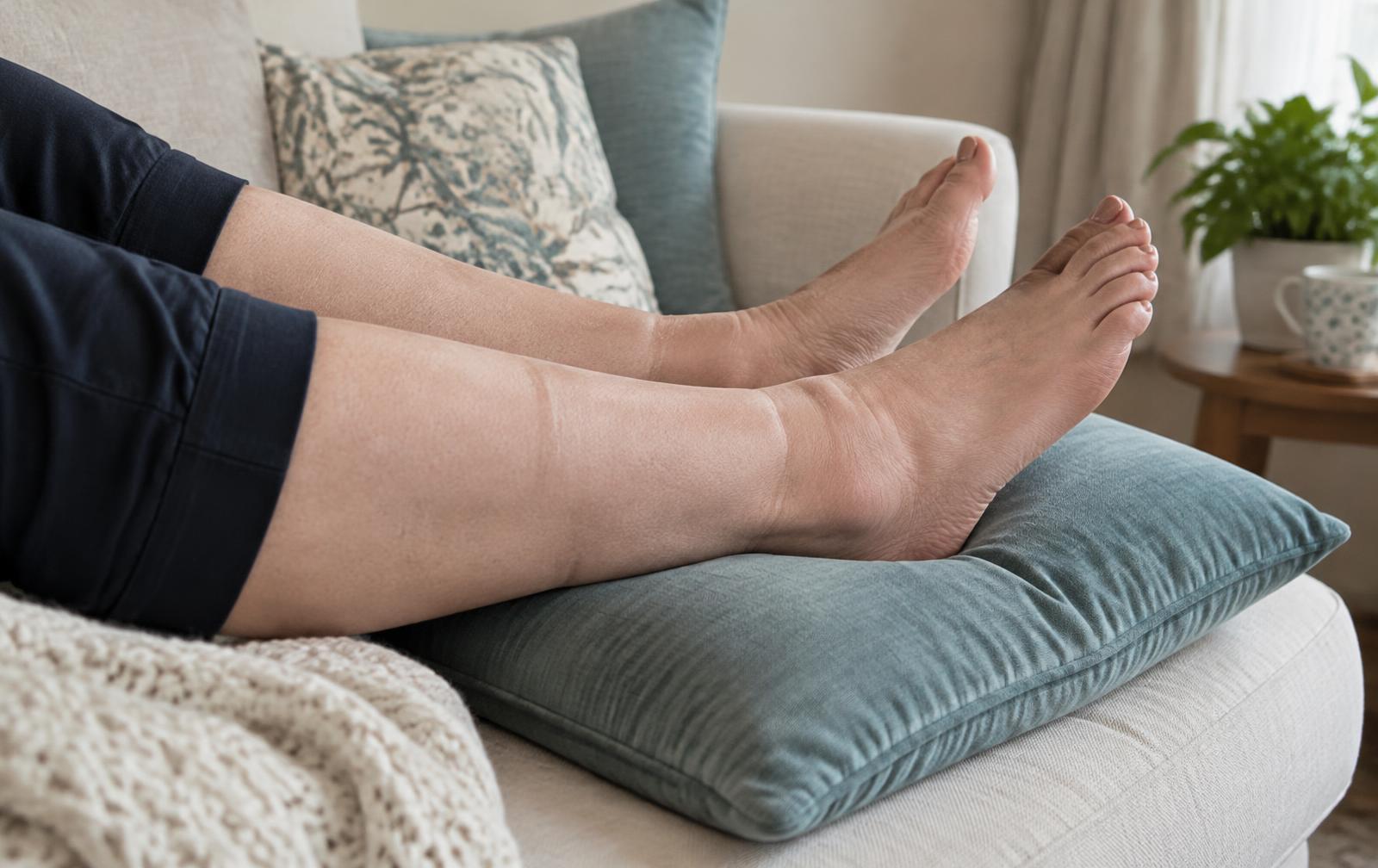
- Swelling in the arm, hand, fingers or breast.
- A feeling of heaviness, tightness or fullness.
- Aching or discomfort in the affected area.
- Reduced flexibility or difficulty moving the arm.
- Rings, watches or sleeves feeling tighter than usual.
- Skin that feels stretched or appears different from normal.
Symptoms can vary from person to person. Some people experience persistent swelling, while others notice changes that fluctuate.
If you have had breast cancer treatment and notice any new swelling, heaviness or tightness in your arm or hand, contact your breast care team, GP or lymphoedema service promptly. Early assessment can help identify the cause and ensure that appropriate support is offered.
Can lymphoedema develop years after surgery?
Yes. Lymphoedema can appear long after the initial operation or cancer treatment has finished.
This can be surprising, particularly when someone feels they have recovered well and returned to everyday activities.
Changes to lymphatic drainage may remain after treatment, and swelling can emerge later. Infection, injury and other factors can also contribute to problems in an affected area.
This is one reason why understanding your own body and recognising changes is important, even years after surgery.
It is also worth remembering that not everyone who has had lymph nodes removed will develop lymphoedema. Knowing the signs is about awareness, not expecting a problem to occur.
How is arm lymphoedema managed?
There is currently no simple cure for established lymphoedema, but appropriate treatment can help control swelling, protect the skin and support everyday movement and comfort.
Management is individual and may involve several approaches.
Compression therapy
A properly assessed compression sleeve or other garment may help control swelling by supporting fluid movement through the tissues. Some people need specialist bandaging as part of their treatment.
Compression should be selected and fitted with appropriate professional guidance.
Exercise and movement
Gentle movement and prescribed exercises can support mobility and help the muscles assist lymphatic flow.
Following breast cancer surgery, it is important to follow the advice of your surgical or rehabilitation team and gradually return to activity at a suitable pace.
Skin care
Looking after the skin is particularly important because swelling can increase the risk of skin complications and infection.
Keeping the skin clean and moisturised, protecting it from injury and dealing promptly with cuts or grazes can help reduce risks.
Manual Lymphatic Drainage (MLD)
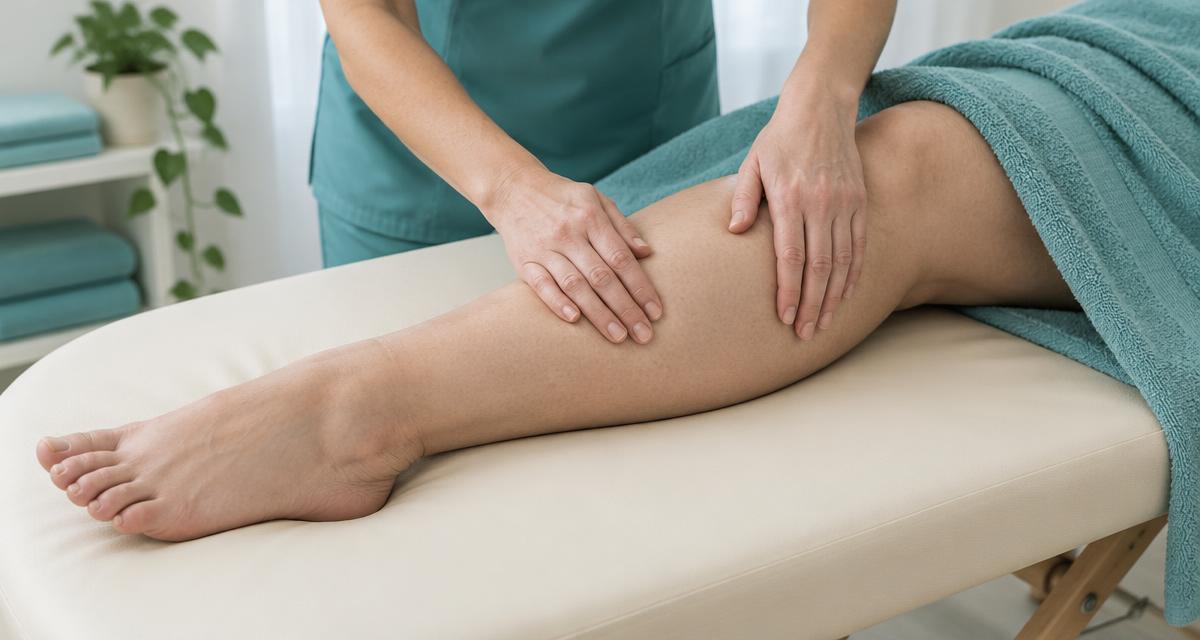
Manual Lymphatic Drainage is a specialised, gentle hands-on technique designed to encourage the movement of lymph fluid through functioning lymphatic pathways. You can read more in What Is Manual Lymphatic Drainage and What Does It Actually Do?
Unlike conventional massage, MLD uses light, slow and rhythmic skin movements. It does not rely on deep pressure or forceful manipulation.
For some people, MLD can form part of a wider lymphoedema management plan. It may be used alongside compression, exercise and skin care, depending on the person's needs and the advice of their specialist.
The approach must be appropriate to the individual's medical history, treatment and lymphatic function.
MLD is not a cure for lymphoedema, and it is not a substitute for assessment, compression where indicated or specialist care. The most suitable treatment plan should be developed with an appropriately qualified lymphoedema professional.
Is Manual Lymphatic Drainage suitable after breast cancer surgery?
It may be appropriate for some people, but timing and individual circumstances matter.
After surgery, tissues need time to heal. Anyone considering MLD should discuss it with their breast care team or treating clinician, particularly if they have recently had an operation, are receiving cancer treatment or have developed new swelling.
MLD should not be performed over an area with an untreated infection or suspected blood clot. Certain heart conditions and other medical circumstances may also make treatment unsuitable without specialist advice.
If you develop sudden swelling, redness, warmth or significant pain, seek prompt medical assessment rather than booking a massage. If you also have fever or feel acutely unwell, seek urgent medical help. Sudden arm swelling can have causes that need immediate investigation.
What can you do if you are concerned about swelling?
If you have undergone lymph node removal and are worried about changes in your arm, a few sensible steps can help.
1. Contact your healthcare team. Report new swelling, heaviness, tightness or other unexplained changes. Do not wait for the swelling to become severe.
2. Ask about a lymphoedema assessment. Your healthcare professional can investigate the cause and, where appropriate, refer you to a specialist service.
3. Follow your personalised advice. This may include exercises, skin care, compression or other measures recommended for your situation.
4. Avoid self-prescribing treatment. Do not assume all swelling is lymphoedema, and do not start compression or lymphatic massage without appropriate guidance.
5. Know that support is available. If lymphoedema is diagnosed, a suitable management plan can help you understand the condition and work towards controlling its effects on daily life.
How LymphKind approaches lymphatic care
At LymphKind, the focus is on thoughtful, individualised lymphatic care and helping people understand the role their lymphatic system plays in their wellbeing.
Manual Lymphatic Drainage is a gentle specialist technique, but it is important to recognise that lymphatic concerns can have different causes and may require different levels of care.
Where someone has established or suspected cancer-related lymphoedema, appropriate assessment and specialist management are essential. Any hands-on treatment should be considered in the context of their medical history, current care and the practitioner's training and scope of practice.
If you are exploring MLD, have questions about the technique or want to understand whether it may be relevant to your circumstances, you can learn more about the service offered by LymphKind.
Discover Manual Lymphatic Drainage at LymphKind
Frequently asked questions
Does everyone develop arm lymphoedema after lymph node removal?
No. Some people develop lymphoedema after lymph node surgery or radiotherapy, but many do not. The risk depends on several factors, including the type of treatment received.
How long after breast cancer surgery can lymphoedema develop?
It can develop weeks, months or years after treatment. New swelling or changes in the arm should be assessed, regardless of how long ago the surgery took place.
Can lymphoedema go away on its own?
Some swelling after surgery may have other causes and can settle as healing progresses. Established lymphoedema generally requires ongoing management. A healthcare professional can help distinguish between these possibilities.
Does MLD cure lymphoedema?
No. MLD may help manage swelling as part of an appropriate treatment plan, but it does not cure lymphoedema. Compression, exercise, skin care and specialist follow-up may also be important.
Can I have MLD if I have had breast cancer?
A history of breast cancer does not automatically mean MLD is unsuitable. However, the timing of treatment, current health, healing, cancer status and any complications must be considered. Seek advice from your treating team and use a practitioner whose training and scope are appropriate to your needs.
A final word
Living with the possibility of lymphoedema after cancer treatment can raise questions, especially when changes occur long after surgery.
Understanding why swelling can happen, recognising early signs and knowing when to seek help are important first steps. With appropriate assessment and an individualised management plan, many people can manage lymphoedema and continue with their everyday lives.
If you notice new swelling in your arm or hand after lymph node removal, speak to your healthcare team. You do not need to wait until it becomes uncomfortable or affects your daily activities to ask for help.
Medical information disclaimer: This article is for general educational purposes and is not a substitute for medical advice, diagnosis or treatment. If you have new or unexplained swelling, contact an appropriate healthcare professional.
Further reading: Cancer Research UK: Lymphoedema after breast cancer treatment and Cancer Research UK: Manual Lymphatic Drainage.